
zDrying and ironing laundry are essential steps in the laundry process that help keep clothes clean, fresh, and looking neat. Here’s a breakdown of both:
Table of Contents
Toggle🌀 Drying Laundry
There are two primary methods:
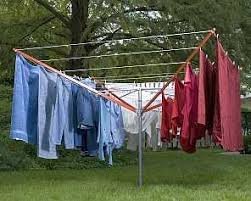
1. Air Drying (Line Drying)
-
Process: Hang clothes on a clothesline, drying rack, or hangers in a well-ventilated area.
-
Pros:
-
Eco-friendly (no electricity used).
-
Gentler on fabrics.
-
Prevents shrinkage.
-
-
Cons:
-
Weather dependent (needs sun/wind).
-
Takes longer.
-
Clothes can feel stiff.
-
2. Machine Drying (Tumble Dryer)

-
Process: Clothes are placed in a dryer that circulates hot air to evaporate moisture.
-
Pros:
-
Fast and convenient.
-
Can help soften clothes (especially towels).
-
-
Cons:
-
Uses electricity or gas.
-
Can cause shrinkage or damage if overheated.
-
May fade colors over time.
-
✅ Tips:
-
Shake out garments before drying to reduce wrinkles.
-
Don’t overload the dryer.
-
Use dryer balls to reduce static and drying time.
🧺 Ironing Laundry
Ironing removes wrinkles and gives clothes a crisp, polished appearance.
Steps:
-
Check the care label – Different fabrics require different temperatures.
-
Set the iron to the correct heat setting (e.g., cotton = high heat; synthetics = low heat).
-
Use steam or a damp cloth to help remove wrinkles.
-
Iron in sections, starting with collars, cuffs, and sleeves.
-
Hang or fold clothes immediately to keep them wrinkle-free.
✅ Tips:
-
Use a pressing cloth for delicate items.
-
Iron while garments are still slightly damp for better results.
-
Store the iron safely after use to avoid burns or fire hazards.
Would you like a printable step-by-step guide or checklist for these tasks?